People use the two names as though one is a gentler version of the other. They are not the same tool at a different setting. One cleans with force and the other cleans with chemistry, and the difference decides which surfaces on your house can take which.
Pressure washing cleans with force
Pressure washing does mechanical work. Water at high pressure hits a surface and knocks material off it. Three things set how aggressive that is: the pressure, the volume of water moving through, and the tip, which controls how wide the stream fans out and therefore how concentrated it is when it lands. Distance matters as much as any of them. The same wand that cleans concrete from a foot away will cut a line into it from two inches.
Force is the right answer for:
- Concrete driveways, sidewalks and walkways
- Paver patios, with care around the joint sand
- Basketball courts and slabs
- Steps, retaining walls and hard landscaping
- Decks, at reduced pressure with a wide tip, worked with the grain
Those surfaces have something in common. They are hard, they are close to non absorbent, they lie flat, and there is nothing behind them for water to get into.
One thing worth knowing about concrete: a wand cleans in an oval, so a slab done freehand carries wand marks, the wavy light and dark banding you see on a lot of weekend jobs. An even result comes from a surface cleaner, a rotating head under a shroud that holds a consistent distance and overlaps its own passes. That is the difference between a clean driveway and a driveway with a pattern on it.
Soft washing cleans with chemistry
A soft wash puts a cleaning solution onto the surface at roughly the pressure of a garden hose, gives it time to work on the organic growth and the built up film, and then rinses it off. The water is not doing the cleaning. It is carrying the solution on and washing the loosened material off.
Chemistry is the right answer for:
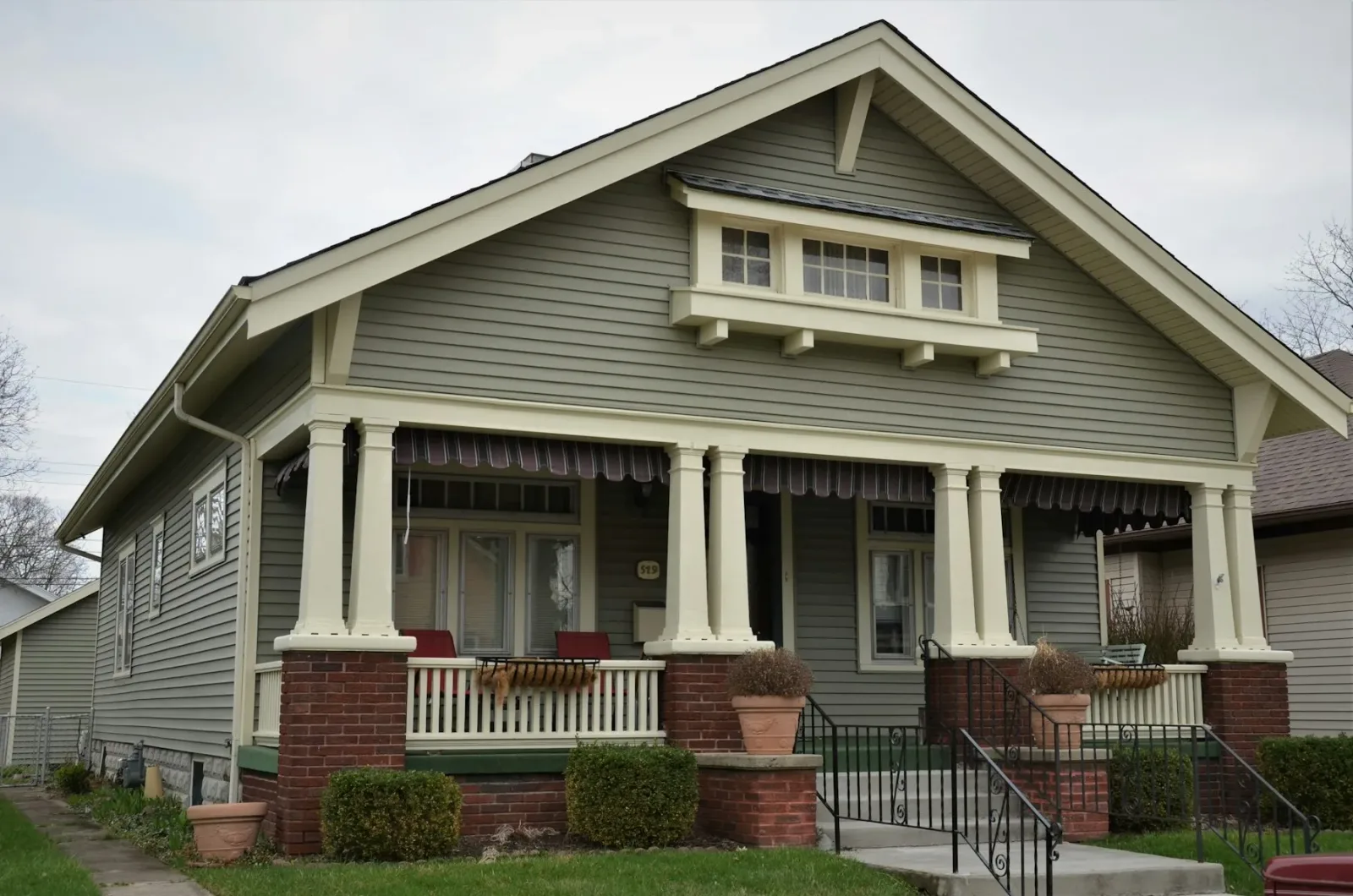
- Siding: vinyl, lap siding, fiber cement and painted wood
- Soffits, eaves and the exterior faces of gutters
- Roofs, for dirt, grime and dark biological staining
- Fences, stucco and anything painted
- Anything with a seam, a joint or an overlap
Why siding must never be pressure washed
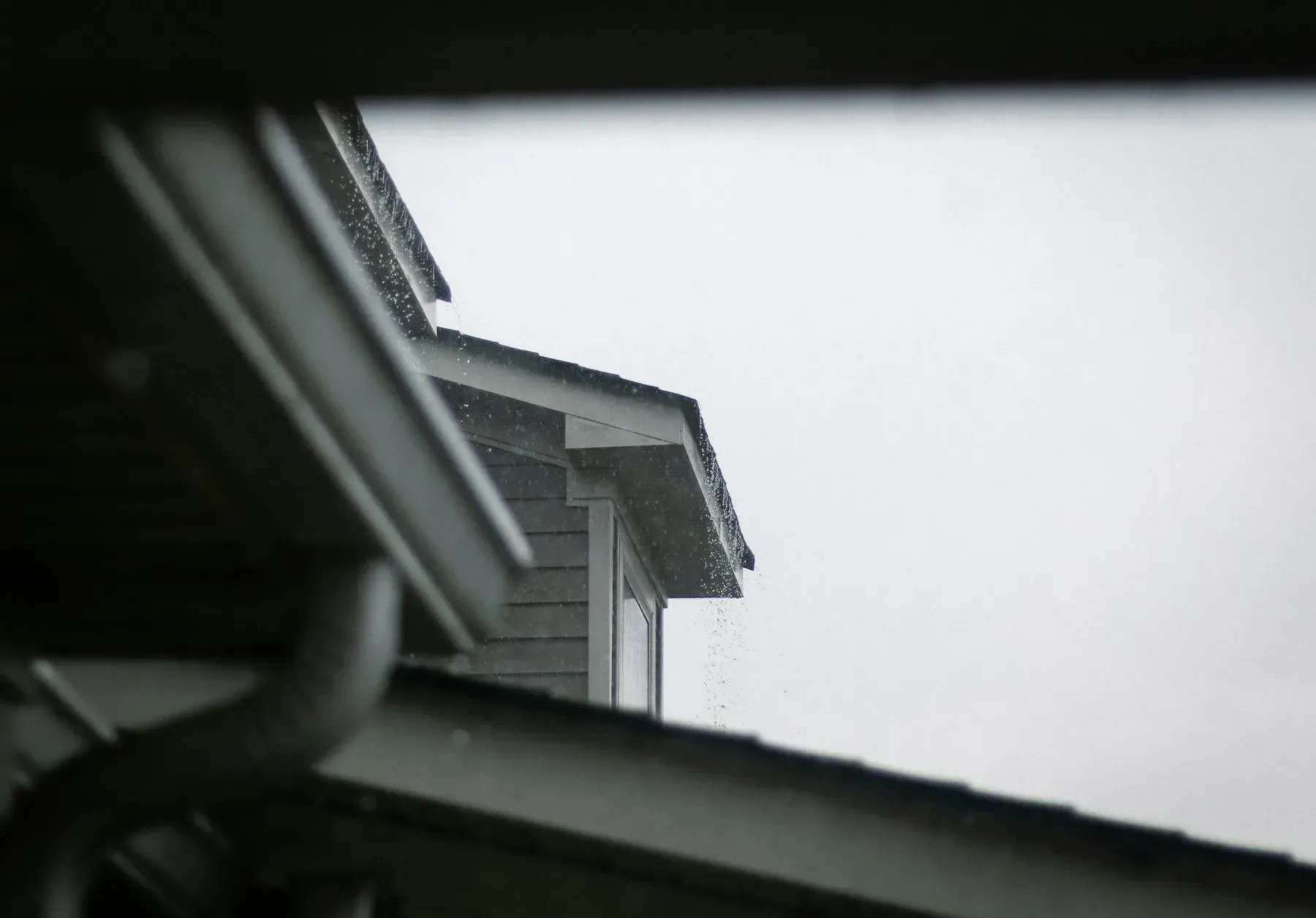
Siding is designed to shed water in one direction: down and out. Every course overlaps the one below it so that water running down the wall stays on the outside of the building.
A pressure wand aimed at a wall, particularly angled upward, drives water the other way. It goes behind the lap, past the weather barrier, into the sheathing and the wall cavity, and it does not come back out in a climate that stays damp most of the year. It will also find a way past window flashing. None of that shows up on the day. It shows up later as a soft spot, a stain that appears on an interior wall, or trim that starts to go at the bottom corner.
Force does other things to a wall too. It chalks and cracks older vinyl. It strips paint and raises the grain on wood, which then holds more dirt than it did before it was cleaned. It blows mortar out of the joints in older brick. And it will fill a soffit with water straight through the vents, which is a problem you will not see until it drips.
Why roofs must never be pressure washed either
An asphalt shingle is asphalt covered in mineral granules, and those granules are the only thing standing between the asphalt and the sun. Pressure takes them off. The damage stays invisible for a while and then turns into a roof that dries out and cracks years before it should. Pressure also pushes water up under the shingle courses, which is the one direction a shingle roof has no answer for.
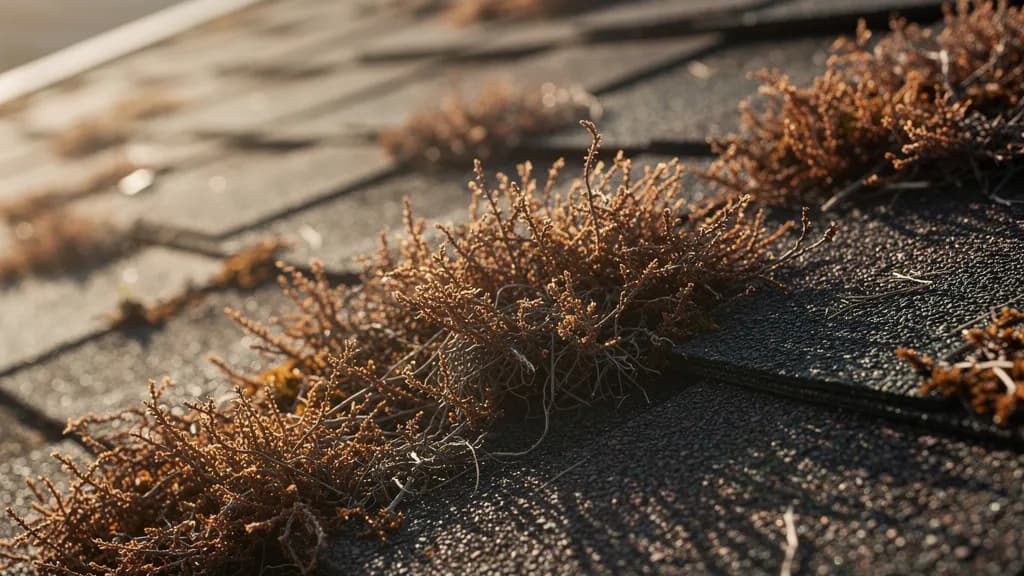
So a roof gets soft washed instead. But here is the part that gets blurred in most marketing, and it matters: a soft wash does not remove moss. A soft wash is done to remove the dirt and grime that has built up over time. It will clean a roof and it will lift staining. It will not take a living mat off your shingles.
Moss is a mechanical problem and it needs a mechanical answer. We remove moss from a roof by brushing, not by pressure washing, and that is a different visit with a different method. The gutters are included in that work, along with a pet and plant safe moss treatment. If you are wondering why the moss keeps returning at all, it never really left.
The short version: soft washing for dirt and grime on the house or the roof, roof cleaning and moss removal for the moss itself. They are not substitutes for each other.
Which method for which surface
| Surface | Method |
|---|---|
| Concrete driveway, sidewalk, walkway | Pressure, with a surface cleaner |
| Paver patio | Pressure at moderate settings, joints resanded after |
| Basketball court or slab | Pressure |
| Wood or composite deck | Low pressure with a wide tip, or a soft wash |
| Vinyl, lap or fiber cement siding | Soft wash only |
| Painted wood, stucco, older brick | Soft wash only |
| Soffits, eaves and gutter faces | Soft wash only |
| Asphalt shingle roof, dirt and staining | Soft wash only |
| Asphalt shingle roof, living moss | Brushing, not washing of any kind |
| Windows and screens | Neither |
What goes wrong in this climate specifically
Plantings. Any solution that runs off a wall lands in the beds below it. Rhododendrons, ferns and the moss lawns half of us have are not forgiving about it. Plants get wet down before the work starts and rinsed after, and the runoff path gets worked out before anyone begins. The treatment we use on roofs is pet and plant safe.
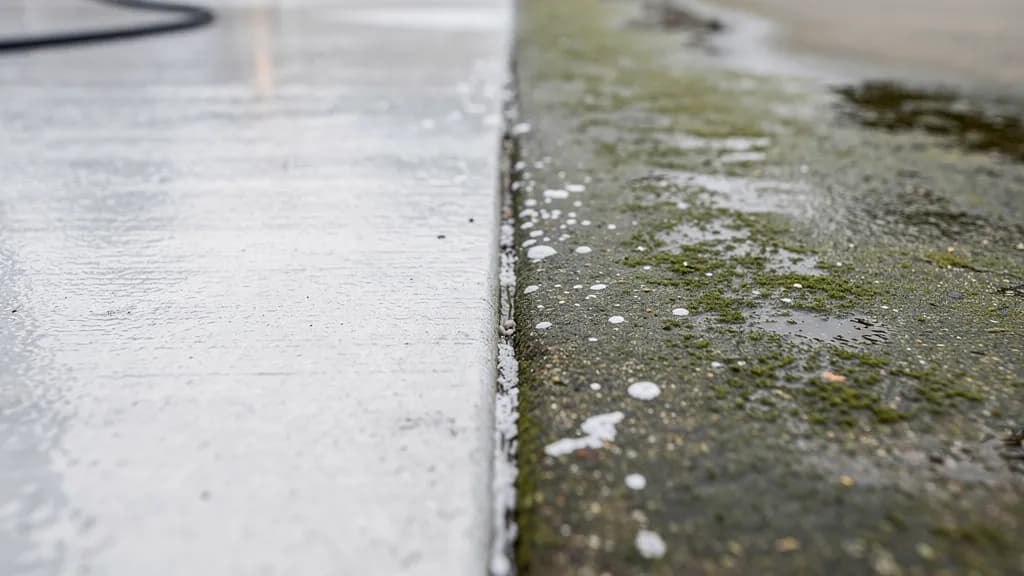
Growth in the concrete. A slab under conifer shade grows a black green film and holds it in the surface pores. It comes off, but a driveway that has never been done will look startlingly different from the strip of it that lives under the car, so it is worth doing the whole slab rather than a section and living with the line.
Timing. Nothing about washing works well when the surface never dries. A wall cleaned in the middle of the wet season has no chance to dry out afterward, and wood that has been cleaned must be dry before anything goes on it. That is why the short dry stretch here is worth more than it sounds, and why our season by season rhythm puts the washing work where the weather allows it.
One careless pass. Almost all pressure washer damage happens in the first few seconds, by someone still working out the distance, on a surface they were only testing.
If you are not sure which of your surfaces wants which method, book a visit and we will walk the house with you. We also pressure wash driveways, walkways, decks, courts and patios, where force is exactly the right answer.